
Why Choose Tunisia for Textile Sourcing – 5 Advantages
The global textile industry is evolving day by day. Brands and manufacturers are looking for sourcing destinations that can offer a combination of quality, cost-efficiency, and strategic advantages. Tunisia has emerged as one of the most promising textile hubs in the North Africa and the Mediterranean. Whether you are a fashion brand, retailer, or supplier, understanding why Tunisia deserves a spot on your sourcing map can transform your supply chain strategy.
In this blog, we explore five key reasons why Tunisia is increasingly favored for textile sourcing.
1. Strategic Location with Proximity to Europe
Tunisia has the greatest geographical assets. Located on the southern shore of the Mediterranean Sea, Tunisia is just a short sea or air journey away from key European markets such as Italy, France, and Spain.
Advantages include:
- Shorter lead times: Compared to Asian suppliers, Tunisian manufacturers can deliver goods faster, enabling brands to respond quickly to changing market trends.
- Lower transportation costs: Reduced shipping distances lead to lower freight charges and carbon footprint.
- Flexibility and agility: Nearshoring to Tunisia facilitates more flexible production runs and smaller minimum order quantities, which is crucial for fast fashion and seasonal collections.
This strategic location places Tunisia as a natural “bridge” between Africa and Europe, ideal for brands wanting to combine quality production with logistical efficiency.
2. Competitive Labor Costs Combined with Skilled Workforce
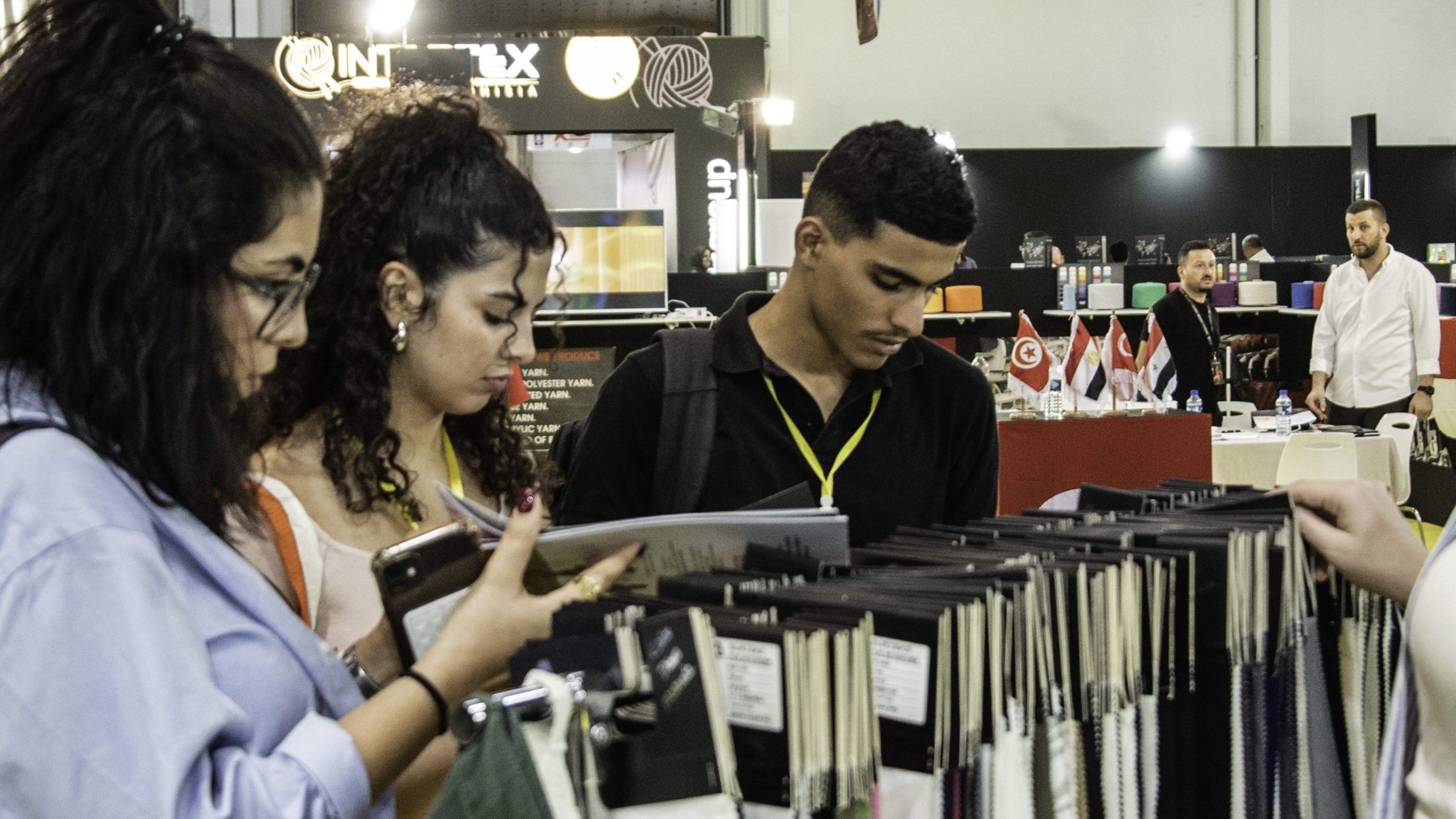
While Tunisia offers one of the most competitive labor costs in the Mediterranean region, it also boasts a highly skilled workforce with decades of experience in textile and garment manufacturing. Local workers are trained in modern textile technologies and adhere to international quality standards demanded by global brands.
What this means for you:
- Cost-efficiency without compromising quality: Affordable labor rates enable cost savings, while skill ensures the product meets or exceeds quality expectations.
- Experienced production facilities: Tunisia hosts numerous factories specializing in different textile segments such as knitwear, woven garments, and technical textiles.
- Multilingual workforce: French, English and Arabic proficiency facilitates smooth communication for international partnerships.
This balance makes Tunisia an attractive alternative to more expensive European production centers and longer-distance Asian suppliers.
3. Trade Agreements and Duty-Free Access to the EU Market
Tunisia has established strong trade relations, particularly with the European Union. The country benefits from preferential trade agreements, including a Free Trade Agreement with the EU, allowing Tunisian-made goods to enter European markets duty-free.
Key benefits include:
- Tariff-free exports: Reduced costs increase the competitiveness of Tunisian textile products in Europe.
- Simplified customs procedures: Streamlined border controls speed up clearance and reduce delays.
- Access to large consumer markets: Europe remains the largest consumer base for textile and apparel products.
For brands targeting Europe, sourcing from Tunisia means leveraging these trade benefits to optimize pricing and supply chain efficiency.
4. Commitment to Sustainable and Ethical Production
Sustainability has become a cornerstone in modern textile sourcing. Consumers increasingly demand environmentally responsible and ethically produced garments.
Tunisia is investing heavily in green manufacturing practices:
- Many factories implement wastewater treatment and reduce chemical usage.
- Organic cotton and recycled materials are gaining traction among producers.
- Compliance with international labor standards and certifications such as Oeko-Tex and Global Organic Textile Standard (GOTS) is common.
These efforts enable brands to align their sourcing with sustainability goals, improve brand image, and meet regulatory requirements.
5. Government Incentives and Supportive Industrial Infrastructure
The Tunisian government actively encourages foreign investment in the textile sector through a range of incentives:
- Tax breaks and exemptions for exporters and foreign investors.
- Development of specialized industrial zones with modern facilities.
- Support services for training, quality control, and export logistics.
Additionally, Tunisia offers reliable utilities, expanding transport networks, and established supplier clusters that facilitate end-to-end production capabilities.
This supportive environment reduces entry barriers, lowers operational risks, and accelerates production scalability for international companies.
Tunisia as a Growing Textile Sourcing Destination
With its strategic location, skilled labor force, advantageous trade agreements, focus on sustainability, and government support, Tunisia is becoming a premier destination for textile sourcing. For companies seeking to diversify their supply chains, reduce lead times, and meet growing sustainability expectations, Tunisia offers compelling reasons to invest and collaborate.
Discover these advantages in ITF Intertex Tunisia!
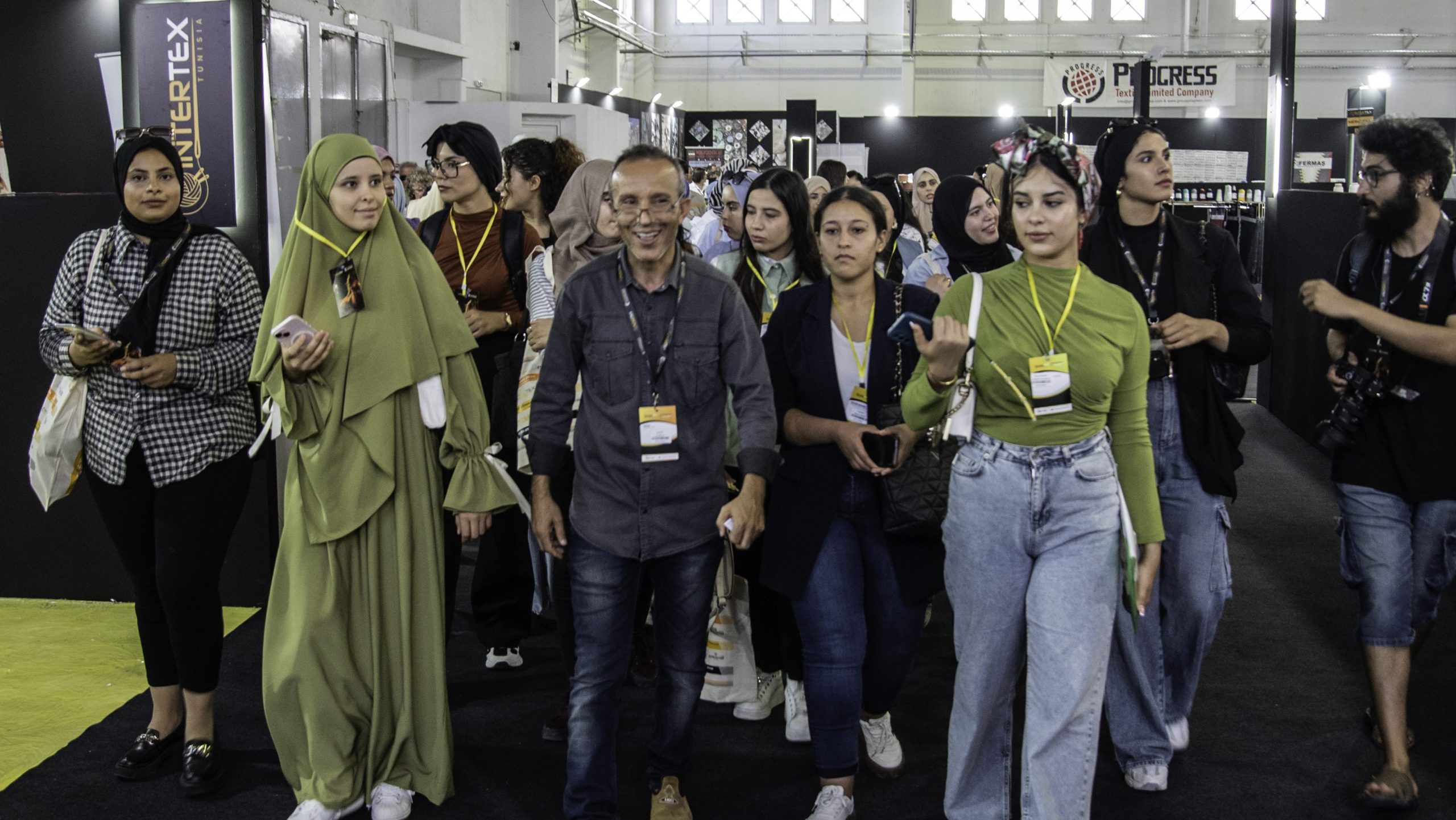
Discover firsthand the potential of Tunisia’s textile industry at ITF Intertex Tunisia, the leading international textile exhibition held annually in Sousse. Network with top suppliers, manufacturers, and industry experts, and see how Tunisia can fit into your sourcing strategy.
Join us on 16-18 October and be part of future of textiles.
Register now and learn more: https://www.intertextunisia.com/